Branch: Vassar Building Center, Vassar
0 $0.00
items in your cartto quote To cart
Ooops no items were found.
Try something else.
Ok
Loading…

Wood Deck vs. Trex Deck — Which is Better for the Great Lakes State?

4 min

Michigan Showdown: Wood Deck vs. Trex Deck — Which is Better for the Great Lakes State?

If you’re a Michigan homeowner considering a new deck or replacing an aging one, you already know that our beautiful state comes with some not-so-beautiful weather challenges. From heavy snowfall and ice to humid summers and freeze-thaw cycles, Michigan decks have to work overtime.

Two of the most common decking materials—Treated Wood and Trex Composite Decking—each offer unique pros and cons. Let’s break down which is the better fit for life in the Mitten.


Wood Decks in Michigan

Wood has long been the go-to material for decks in Michigan. It’s affordable, familiar, and blends beautifully with our wooded landscapes and lakefront views.

Pros of Wood Decking in Michigan:

1. Natural Aesthetics
Wood has a timeless look that fits right in with Michigan's rustic charm, whether you live up north or in a Detroit suburb.

2. Budget-Friendly Upfront
For initial costs, pressure-treated lumber is often the most affordable decking option available.

3. Customizable Looks
You can stain or paint wood any color, and even change it every few years if you want a new vibe. Handy for keeping up with home trends or matching a historic home.

Cons of Wood Decking in Michigan:

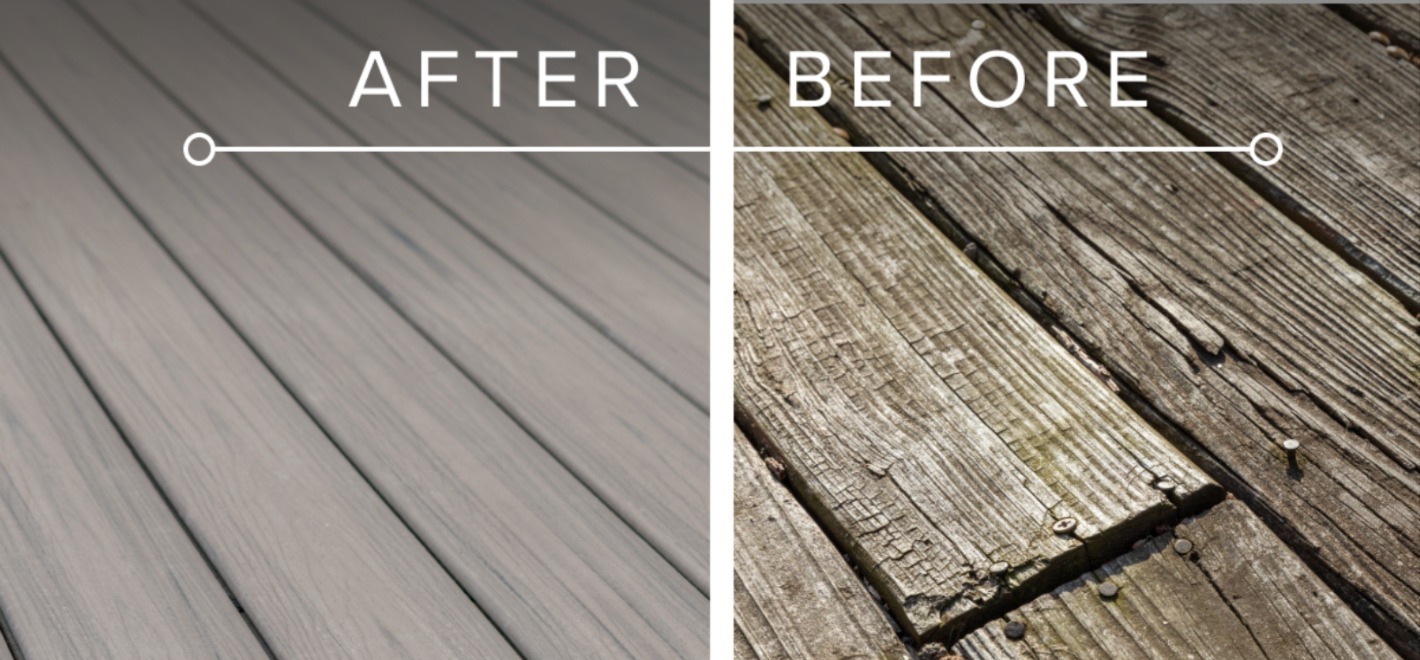
1. High Maintenance with Michigan Weather
Our wet springs and snowy winters wreak havoc on natural wood. Expect regular:

  • Power washing

  • Staining or sealing every 1–2 years

  • Sanding splinters or warped boards

2. Vulnerable to Moisture
Rain, snow, and humidity can cause mold, rot, and swelling. Michigan's freeze-thaw cycles can crack boards over time.

3. Shorter Lifespan
Even the best-maintained wood deck in Michigan may only last 10–15 years before requiring major repairs or replacement.


Trex Composite Decking in Michigan

Trex decking, made from recycled plastic and wood fibers, is built for long-term durability in tough climates—like Michigan’s.

Pros of Trex Decking in Michigan:

1. Built to Withstand Harsh Winters
Trex doesn't absorb water, so it won't crack, split, or swell during Michigan’s frequent freeze-thaw cycles.

2. No Annual Staining or Sealing
Unlike wood, Trex doesn't require constant upkeep. A quick wash in the spring is typically all it needs to stay looking great.

3. Long-Term Durability
Trex decks can last 25–50 years. That’s a major win when you're dealing with Michigan’s snow, ice, rain, and heat.

4. Mold & Insect Resistant
Composite material doesn’t rot or attract termites, carpenter bees, or mold—ideal for Michigan's humidity and bug-prone seasons.

5. Environmentally Friendly
Trex is made with 95% recycled materials, and using it helps reduce deforestation—a plus for Michigan’s eco-conscious homeowners.

Cons of Trex Decking in Michigan:

1. Higher Initial Cost
You’ll spend more upfront than you would on a basic wood deck. But many Michigan homeowners find the long-term savings in maintenance and repairs well worth it.

2. Heat Retention in Summer
In direct sun, Trex can get warm—especially darker colors. If your deck gets full sun exposure, consider lighter shades or an awning.

3. Less Traditional Feel
While Trex mimics wood grain, it doesn’t have the same warmth or scent of real wood—a consideration for purists.


Side-by-Side: How Wood and Trex Decks Stack Up in Michigan

 
Feature Wood Deck Trex Deck (Composite)
Initial Cost Lower Higher
Maintenance Frequent sealing, staining Occasional cleaning
Lifespan in MI Climate 10–15 years 25–50 years
Weather Resistance Poor in freeze-thaw cycles Excellent (won’t crack/swell)
Mold & Pest Resistance Moderate to poor Very high
Heat in Summer Cooler Can get hot in full sun
Aesthetic Natural, classic Modern, consistent
Customizability High Limited (preset colors/textures)
Eco-Friendliness Depends on wood source Very eco-friendly

Michigan-Specific Considerations

  • Snow Load: Both materials need strong framing to handle Michigan snow. Trex is heavier, so proper support is essential.

  • Sun Exposure: If your deck faces west or south, heat retention (especially for Trex) could be a factor. Lighter colors or shade structures help.

  • Moisture Management: In the Great Lakes region, trapped moisture = rot. Composite is superior here.

  • Home Value: In many Michigan real estate markets, a low-maintenance composite deck can be a great selling point.


Final Verdict for Michigan Homeowners

Choose Wood if:

  • You’re on a tight budget upfront

  • You love the classic, natural look of real wood

  • You don’t mind annual maintenance (or enjoy it!)

  • You’re planning to stay short-term or flip the home

Choose Trex if:

  • You want a long-term, low-maintenance solution

  • Your deck faces harsh sun, snow, or moisture

  • You're thinking about resale value and long-term ROI

  • You care about sustainability and recycled materials


Bonus Tip: Work With a Vassar Building Center

Vassar Building Center can help with:

  • Making sure you are getting the deck of your dreams that fit your budget

  • Get in contact with professional installers

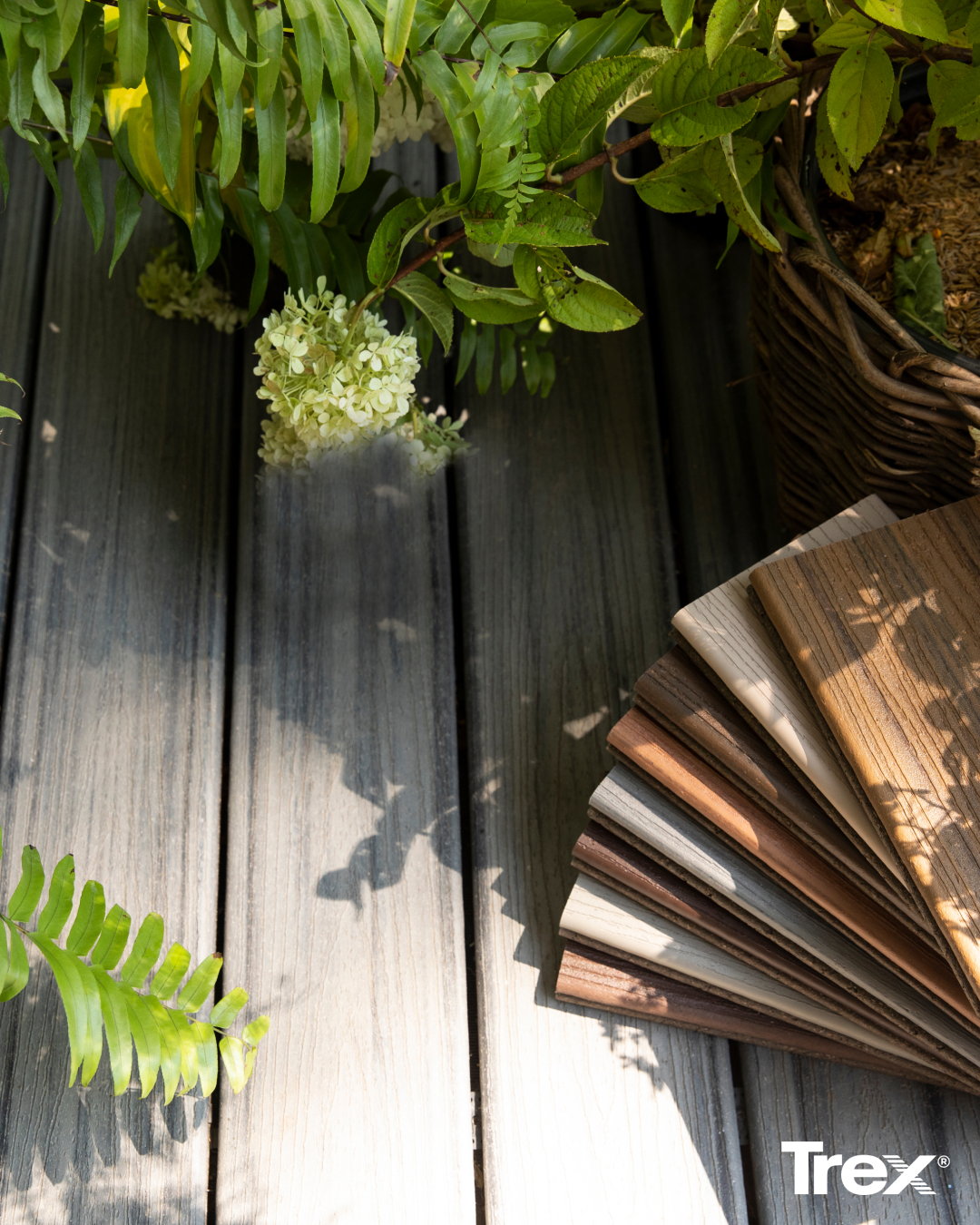
  • Recommend colors and materials that work for you


Final Thoughts

Whether you're lakeside in Traverse City, deep in the woods of the Upper Peninsula, or in a bustling Metro Detroit neighborhood, your deck should reflect both your lifestyle and your environment.

A Treated Wood Deck might be right if you crave natural aesthetics and don’t mind upkeep. But a Trex deck will likely outperform in Michigan's four-season climate—offering unbeatable durability, minimal maintenance, and peace of mind.


Need help picking a color, designing the layout, or finding a Certified Trex installer? Let’s plan it together!

Wood Deck vs. Trex Deck — Which is Better for the Great Lakes State?

4 min

Michigan Showdown: Wood Deck vs. Trex Deck — Which is Better for the Great Lakes State?

If you’re a Michigan homeowner considering a new deck or replacing an aging one, you already know that our beautiful state comes with some not-so-beautiful weather challenges. From heavy snowfall and ice to humid summers and freeze-thaw cycles, Michigan decks have to work overtime.

Two of the most common decking materials—Treated Wood and Trex Composite Decking—each offer unique pros and cons. Let’s break down which is the better fit for life in the Mitten.


Wood Decks in Michigan

Wood has long been the go-to material for decks in Michigan. It’s affordable, familiar, and blends beautifully with our wooded landscapes and lakefront views.

Pros of Wood Decking in Michigan:

1. Natural Aesthetics
Wood has a timeless look that fits right in with Michigan's rustic charm, whether you live up north or in a Detroit suburb.

2. Budget-Friendly Upfront
For initial costs, pressure-treated lumber is often the most affordable decking option available.

3. Customizable Looks
You can stain or paint wood any color, and even change it every few years if you want a new vibe. Handy for keeping up with home trends or matching a historic home.

Cons of Wood Decking in Michigan:

1. High Maintenance with Michigan Weather
Our wet springs and snowy winters wreak havoc on natural wood. Expect regular:

  • Power washing

  • Staining or sealing every 1–2 years

  • Sanding splinters or warped boards

2. Vulnerable to Moisture
Rain, snow, and humidity can cause mold, rot, and swelling. Michigan's freeze-thaw cycles can crack boards over time.

3. Shorter Lifespan
Even the best-maintained wood deck in Michigan may only last 10–15 years before requiring major repairs or replacement.


Trex Composite Decking in Michigan

Trex decking, made from recycled plastic and wood fibers, is built for long-term durability in tough climates—like Michigan’s.

Pros of Trex Decking in Michigan:

1. Built to Withstand Harsh Winters
Trex doesn't absorb water, so it won't crack, split, or swell during Michigan’s frequent freeze-thaw cycles.

2. No Annual Staining or Sealing
Unlike wood, Trex doesn't require constant upkeep. A quick wash in the spring is typically all it needs to stay looking great.

3. Long-Term Durability
Trex decks can last 25–50 years. That’s a major win when you're dealing with Michigan’s snow, ice, rain, and heat.

4. Mold & Insect Resistant
Composite material doesn’t rot or attract termites, carpenter bees, or mold—ideal for Michigan's humidity and bug-prone seasons.

5. Environmentally Friendly
Trex is made with 95% recycled materials, and using it helps reduce deforestation—a plus for Michigan’s eco-conscious homeowners.

Cons of Trex Decking in Michigan:

1. Higher Initial Cost
You’ll spend more upfront than you would on a basic wood deck. But many Michigan homeowners find the long-term savings in maintenance and repairs well worth it.

2. Heat Retention in Summer
In direct sun, Trex can get warm—especially darker colors. If your deck gets full sun exposure, consider lighter shades or an awning.

3. Less Traditional Feel
While Trex mimics wood grain, it doesn’t have the same warmth or scent of real wood—a consideration for purists.


Side-by-Side: How Wood and Trex Decks Stack Up in Michigan

 
Feature Wood Deck Trex Deck (Composite)
Initial Cost Lower Higher
Maintenance Frequent sealing, staining Occasional cleaning
Lifespan in MI Climate 10–15 years 25–50 years
Weather Resistance Poor in freeze-thaw cycles Excellent (won’t crack/swell)
Mold & Pest Resistance Moderate to poor Very high
Heat in Summer Cooler Can get hot in full sun
Aesthetic Natural, classic Modern, consistent
Customizability High Limited (preset colors/textures)
Eco-Friendliness Depends on wood source Very eco-friendly

Michigan-Specific Considerations

  • Snow Load: Both materials need strong framing to handle Michigan snow. Trex is heavier, so proper support is essential.

  • Sun Exposure: If your deck faces west or south, heat retention (especially for Trex) could be a factor. Lighter colors or shade structures help.

  • Moisture Management: In the Great Lakes region, trapped moisture = rot. Composite is superior here.

  • Home Value: In many Michigan real estate markets, a low-maintenance composite deck can be a great selling point.


Final Verdict for Michigan Homeowners

Choose Wood if:

  • You’re on a tight budget upfront

  • You love the classic, natural look of real wood

  • You don’t mind annual maintenance (or enjoy it!)

  • You’re planning to stay short-term or flip the home

Choose Trex if:

  • You want a long-term, low-maintenance solution

  • Your deck faces harsh sun, snow, or moisture

  • You're thinking about resale value and long-term ROI

  • You care about sustainability and recycled materials


Bonus Tip: Work With a Vassar Building Center

Vassar Building Center can help with:

  • Making sure you are getting the deck of your dreams that fit your budget

  • Get in contact with professional installers

  • Recommend colors and materials that work for you


Final Thoughts

Whether you're lakeside in Traverse City, deep in the woods of the Upper Peninsula, or in a bustling Metro Detroit neighborhood, your deck should reflect both your lifestyle and your environment.

A Treated Wood Deck might be right if you crave natural aesthetics and don’t mind upkeep. But a Trex deck will likely outperform in Michigan's four-season climate—offering unbeatable durability, minimal maintenance, and peace of mind.


Need help picking a color, designing the layout, or finding a Certified Trex installer? Let’s plan it together!

SEARCH ×